Lab-grown vs natural diamonds: a practical guide
Compare lab-grown and natural diamonds, from how they are made to budget and personal preferences.
What are lab grown diamonds?
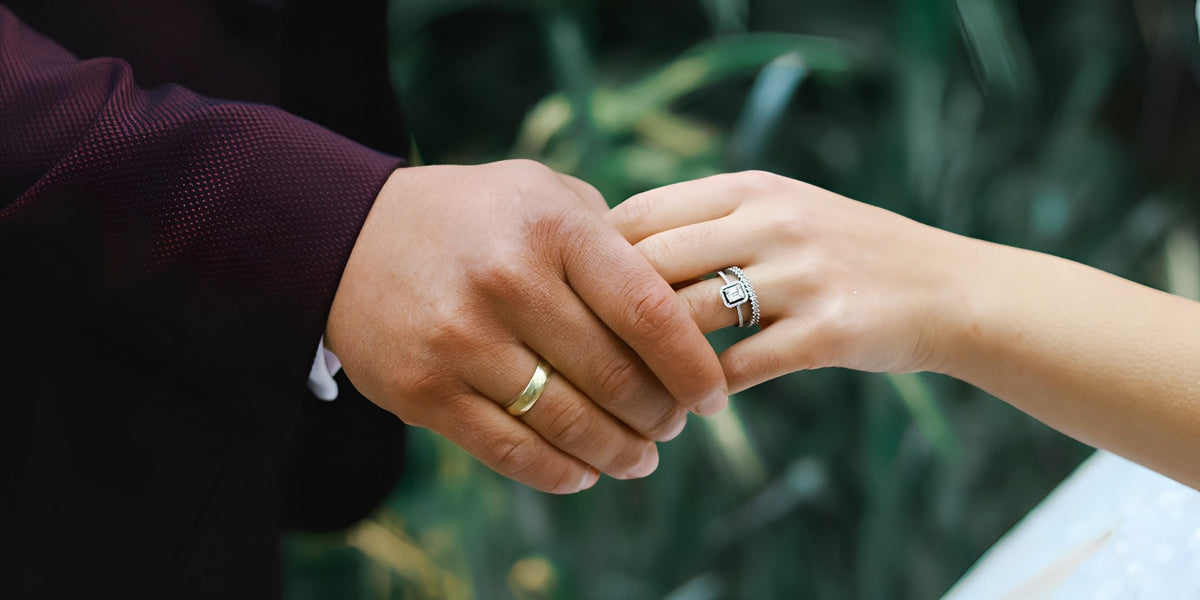
Lab grown diamonds, also known as man-made or synthetic diamonds, are gemstones that are grown within a highly controlled, laboratory environment using cutting-edge technology. The advanced techniques used to grow lab-grown diamonds recreate conditions for diamond growth, creating stones that are essentially the same in chemical composition and physical properties as natural diamonds. Lab-grown diamonds are real diamonds. Their origin is the main distinction, and specialist testing can identify their growth features.
You can also be certain that when opting for a lab grown diamond ring, that what you are wearing on your finger is so identical to a natural diamond, that it displays all of the same features, characteristics and qualities. For example, both lab grown diamonds and mined diamonds reach 10 on the Mohs scale, a chart of relative hardness for each of the minerals, meaning that they are equal in hardness. Displaying the same chemical and optical properties also means that lab grown diamonds look the same, and exhibit the desired, unmatched sparkle that natural diamonds are known for. Lab grown diamonds are becoming increasingly popular as the often more affordable alternative to mined diamonds, and are created at a much faster rate.
What are natural diamonds?
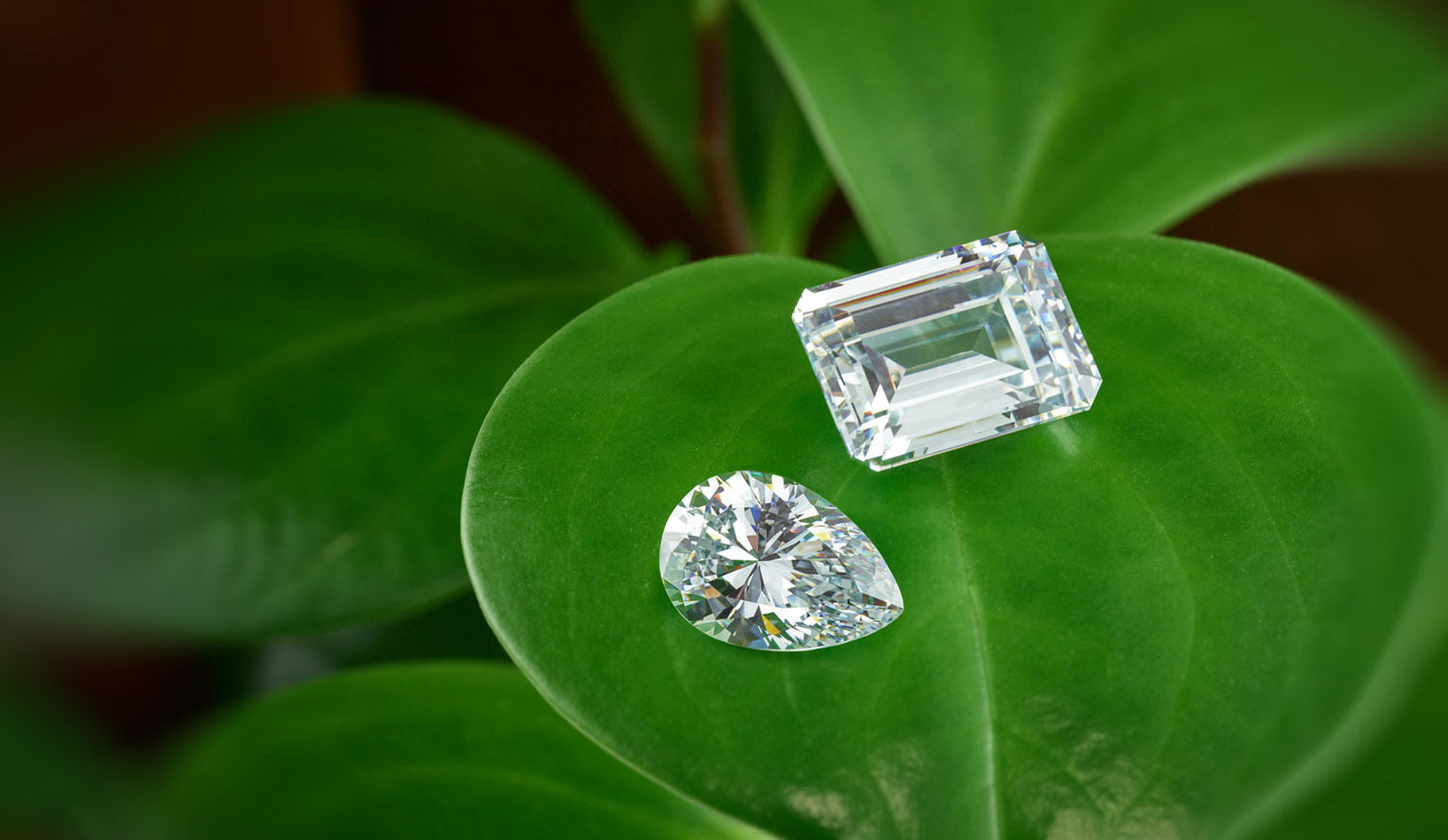
Natural diamonds, also known as mined diamonds, are a precious gemstone and form of mineral renowned for their versatility, beauty and durability. As the world’s most popular gemstones, diamonds are used within many jewellery pieces such as engagement rings, wedding rings, eternity rings, necklaces, bracelets, earrings and more. Discover diamond rings at Oscar & Olivia Jewellery here. Natural diamonds form from carbon under high temperatures and pressures deep in the Earth’s mantle. Volcanic activity carries already-formed diamonds towards the surface, where they can later be mined.
Once extracted and mined, natural diamonds are polished, cleaned and cut to create the finished gemstones that we see used within our jewellery. They are then graded and certified by diamond experts such as the GIA and the IGI. For many centuries, natural diamonds have been the key, and traditional choice for diamond engagement rings and diamond wedding and eternity rings, and are often considered the most valuable due to their rarity and natural origin. However, due to the increase in demand, limited supply, an even higher price tag, and the ethics against mining diamonds, lab grown diamonds have begun to emerge as the popular choice for diamond jewellery.
When looking to buy a diamond set wedding ring, one of the main considerations today is whether to opt for a natural/mined diamond, or a lab grown diamond. We hope that this guide to lab grown diamonds will help to give an insight into which is the perfect stone for you.
Why should I choose a lab grown diamond?
Lab grown diamonds are the cost effective option
The first reason for opting for a lab grown diamond, is that they are less expensive than natural diamonds that may be of a similar size, quality and cut. Although lab grown diamonds are not completely inexpensive, they do offer the cheaper alternative, which is great for those shopping on a budget. The difference in price varies with the market and the specifications of the two stones, including carat weight, colour, clarity and cut. Learn more about the Diamond 4C’s and how they can affect the price of a stone here. However, just because lab grown diamonds are the more cost effective option, doesn’t mean that they are of a lesser quality of natural diamonds. Both types of diamonds are chemically, physically and optically identical, so the beauty and fine quality of your jewellery will not be compromised for choosing the less expensive stone!
There are two main reasons why lab grown are more affordable than natural/mined diamonds:
– Firstly, lab grown diamonds don’t undergo the same mining process that natural diamonds do. Instead, they are created in a controlled environment, which eliminates the high costs associated with extracting the natural diamonds. During the mining process, much heavy machinery, tools and manpower is needed, which consumes a substantial amount of both time, and money. On the other hand, lab grown diamonds are man-made in a laboratory, staying in one place, which subsides the need for the long and expensive mining process. Additionally, lab grown diamonds can be produced in a much shorter amount of time than mined diamonds, which also helps to lower the cost.
– Secondly, natural diamonds tend to be of a higher cost due to their rarity. As mentioned, mined diamonds are formed deep within the Earth over millions of years, relying on Volcanic eruptions to bring them up to the surface. This means that there are less natural diamonds produced, and of a higher rarity due to this process, which is rightly reflected in their price. However, the creation of lab grown diamonds is not dependent on natural resources, meaning that they are more abundant, and that higher volumes can be produced, lowering their price.
There are ethical reasons for going lab grown
For a long time, there have been many complaints and protests towards the ethics of mining for natural diamonds, and the diamond industry has been a source of ethical concerns for many people. When natural diamonds are mined, the degradation of the land used pollutes the soil, water and air around the area, which is very damaging to the environment. As well as this, diamond mines are often located in developing countries, where workers are paid low wages and can be subjected to bad working conditions. These factors have led many to look for more ethical jewellery alternatives, such as lab grown diamonds.
However, many leading diamond mining organisations all over the world are implementing new, responsible efforts and practices to improve the ethics against the diamond mining process, such as The Kimberley Process. Established in 2003, The Kimberley Process Certification Scheme (KPCS), is aimed at reducing the flow of these conflict diamonds, and prevents them from entering the mainstream rough diamond market. Despite these efforts, though, there is still much ethical reasoning against natural diamonds and the mining process.
Lab-grown diamonds avoid the mining stage, but responsible sourcing still matters for both types. Ask us about the origin and documentation of the diamond you are considering, whether it is lab-grown or natural.
Lab-grown diamonds and sustainability
Growing diamonds avoids the excavation needed for diamond mining, but it still uses energy and resources. The environmental impact depends on the producer, energy source and supply chain; a lab-grown diamond is not automatically a lower-impact choice in every respect.
If environmental impact is important to you, ask about the evidence behind a particular producer’s claims. Transparent information about energy use and sourcing is more useful than a general “eco-friendly” label.
What should I think about when buying a lab grown diamond?
Understanding future value
Natural and lab-grown diamonds have different resale markets. Neither guarantees that you will recover the original purchase price. A future sale price depends on the particular stone, demand, condition and the costs of selling it.
A wedding or eternity ring is usually chosen for its lasting personal meaning. The sentimental value of your ring is separate from any future resale value. Gareth can help you compare both options without treating either as a guaranteed investment.
Lab grown diamonds can lack the appeal of natural diamonds
Even though it is scientifically proven that lab grown diamonds are real diamonds, many believe that they still lack the appeal of natural diamonds. One of the most desirable qualities of mined diamonds is that they take millions of years to form, and are products of natural Earth. There are many brides that feel that this special and desired appeal is lost when a diamond is created in a laboratory or in a factory.
However, this is a completely personal choice, and ultimately comes down to each individual view on lab grown vs mined diamonds, as there are many different factors to take into consideration. If you feel as if you would benefit from some guidance on the diamond wedding ring choice that is right for you, get in touch with a member of the Oscar & Olivia team. We will be happy to help you to find the perfect diamond ring!
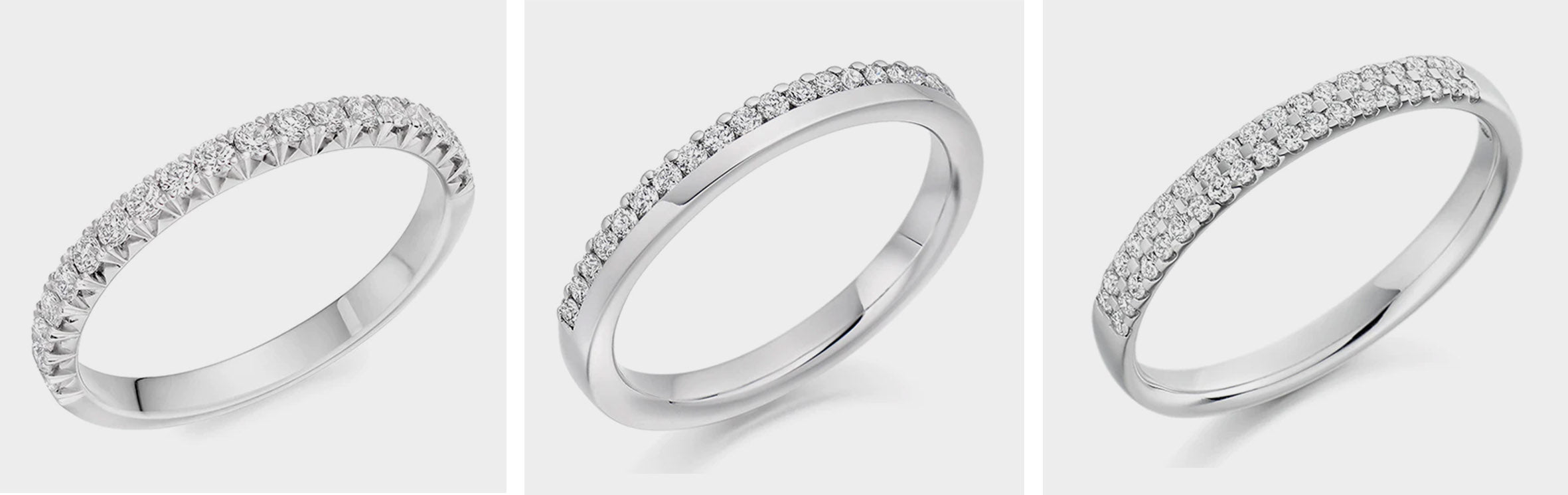
Diamond Wedding and Eternity Rings at Oscar & Olivia Jewellery
Here at Oscar & Olivia Jewellery, we have a great selection of diamond wedding rings and diamond eternity rings to choose from. Browse our range online, and book your appointment today. For current prices and help comparing natural and lab-grown options, contact Gareth for a personal quote. We look forward to hearing from you!
Further reading: GIA: natural and laboratory-grown diamonds.
Choosing a ring for your proposal? Explore our engagement-ring consultations in Bury and online.